
Refuting III Orthography

Twitter user typingvanara, kvernenkara and a few others brought up a few questions regarding orthography.
“How did a fully formed script develop in 2600 BCE?”
The precursor of the Indus script seems to have developed in 4000 BCE or earlier as we see in Balakot on the Balochistan coast. While we do see a handful of inscriptions before the mature phase, its development is untraceable until more artifacts are found. Even the Balakot samples show a mix of abstracted and representational forms so the actual script origin is possibly older. A potential reason to develop writing is the trade that started with Mesopotamia and nearby settlements starting 6000 BCE or the concept of a nation started by 4000 BCE as evidenced by the twin blackbuck seals found in multiple sites. The script evolved over 1000+ years to become the script of the mature phase.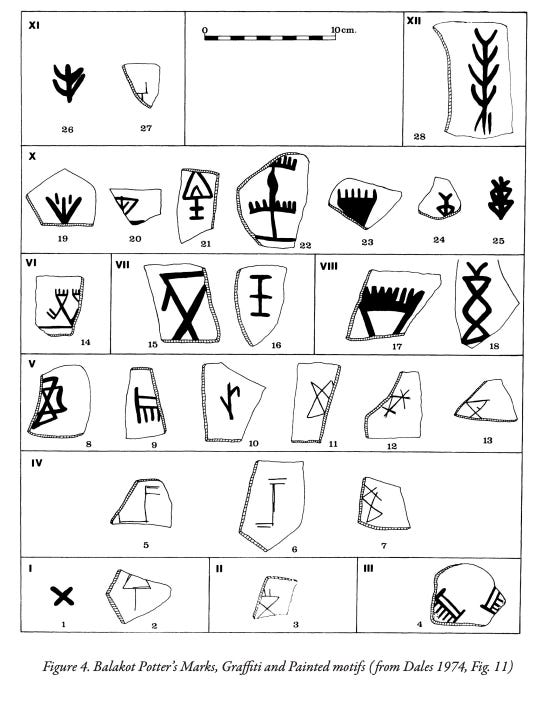
“Why are there so many glyphs for the same sound?”
Multiple glyphs for the same sound are a defining characteristic of any pristine script (a script developed without the knowledge of other scripts). The reason for this is the establishment of a network effect on a pristine script is a tortuous effort and the impossibility of standardizing writing without writing already existing. Such a development can also be seen in the Sumerian script, Mayan script, Egyptian hieroglyphs and Chinese. For example the word “lugal” for king is attested in these forms:
a. 𒈗 lugalb.𒇽𒃲 lu₂-gal
d. 𒈗𒀠 lugal al
e. 𒈗𒈗 lugal-lugal
f. 𒈗𒄷 lugal mušen
g. 𒇽𒂵𒀠 lu₂-ga-al
The word for deity can be written as 𒀭diŋir, 𒀭𒀭diŋir-diŋir, 𒁲𒉈𒊑𒁲𒉈𒊑 di-ne-re-di-ne-re or 𒁷𒄀𒇷 din-gi-li. Many sounds have 20+ interchangeable glyphs. These glyphs are interchangeable in a variety of degrees.
Chinese has multiple glyphs that mean “hair” 髮 发 髪 “speak” 說 说 悅 and so on. Egyptian hieroglyphs commonly has variants for the same phonograph. For example /b/ can be represented as 𓃀 or 𓊽. Indeed, it would be improbable for a pristine script like the Indus civilization script, formed earlier than any of these to have only one glyph per symbol.“Why would there be different representations of the same sound/word in the same inscription?”
It was common before the printing press and standardization to write the same word in multiple ways, often in the same sentence or document. Standardized spellings were unimportant before the need to look up meanings in a dictionary.
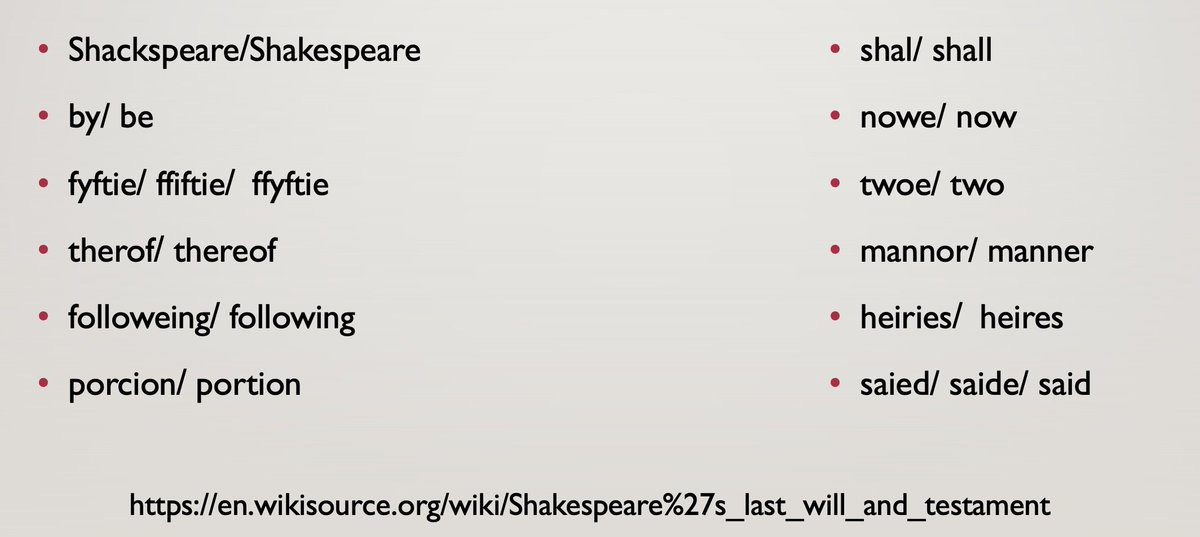
For example, William Shakespeare, in his own will spells multiple words in different ways. He even writes his own name in at least two different ways.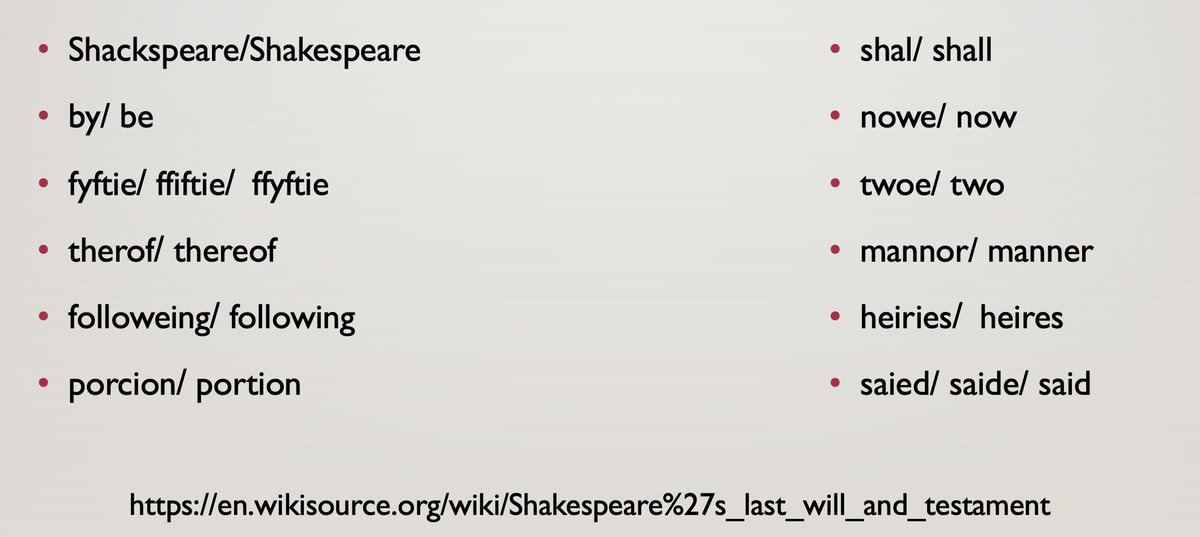
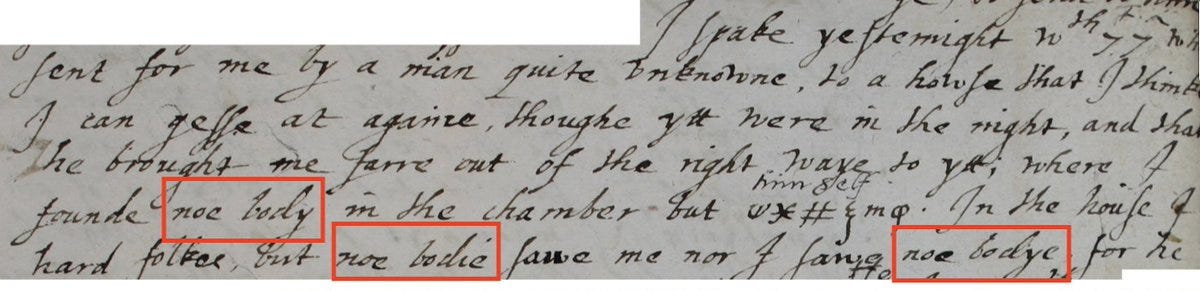
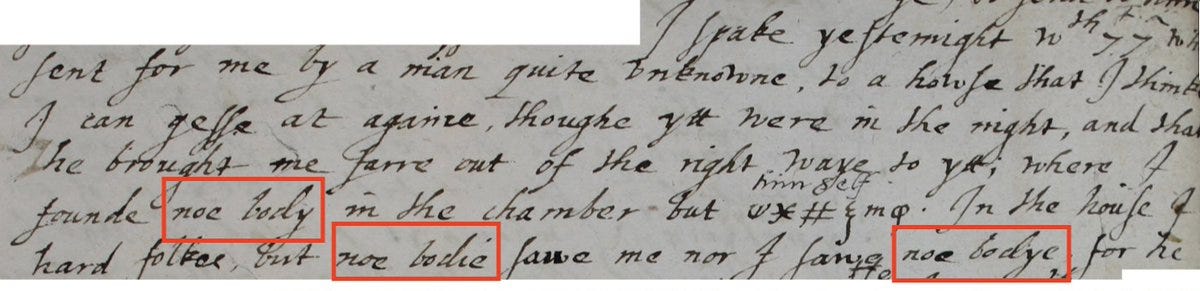
Sir Edward Stafford in a letter to Queen Elizabeth I, spells the word “nobody” as “noe body”, “noe bodie” and “noe bodye” all in the same paragraph.
“How do you decide which among the many readings to pick?”
The argument here essentially is that the orthographic rules of the Indus script make the script unviable because there would be too many choices to pick. IVC orthography however, is simply pre-Ashokan Brahmi orthography as we see in the Tamil Nadu and Sri Lankan inscriptions. The only extra bit is the -an and -as signs in IVC that allow an initial -a or -ā. It would be unreasonable to argue that the orthography used by TN and SL for centuries is somehow too ambiguous to use.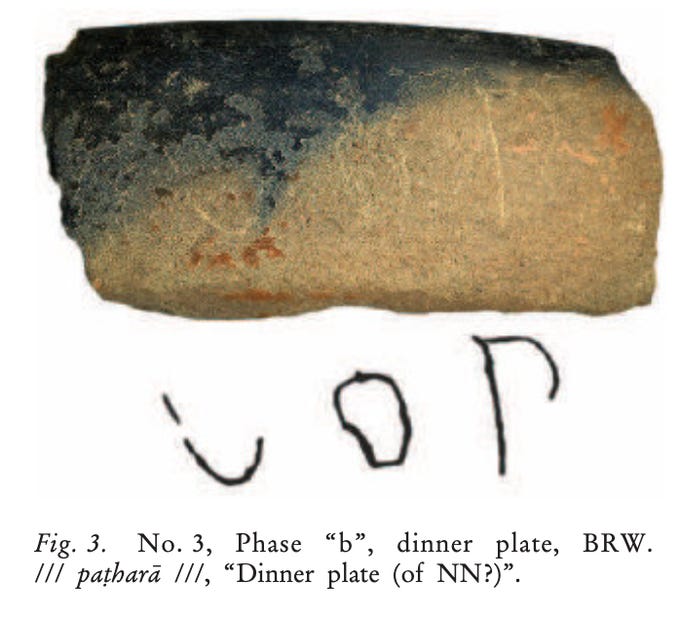
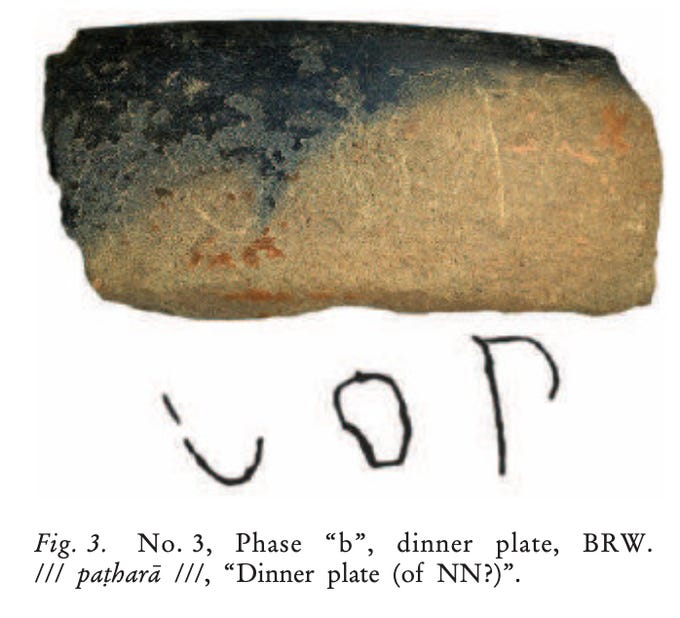
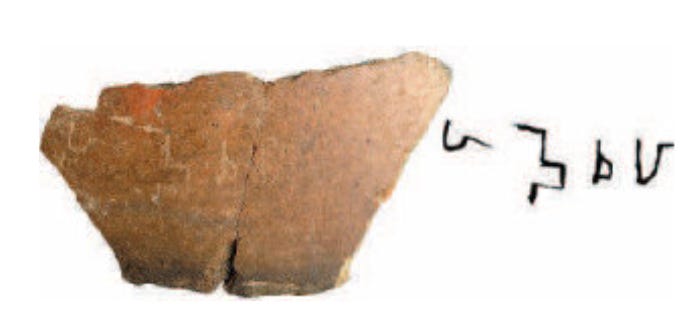
The 1st inscription reads 𑀧𑀞𑀭𑀸 पठरा. This of course is not how we would write any word today. This was officially read as पात्रा (vessel). Here we see two orthographic features:
i. aspirated/unaspirated/dental/retroflex is interchangeable
ii. virama/conjunct is assumed where needed.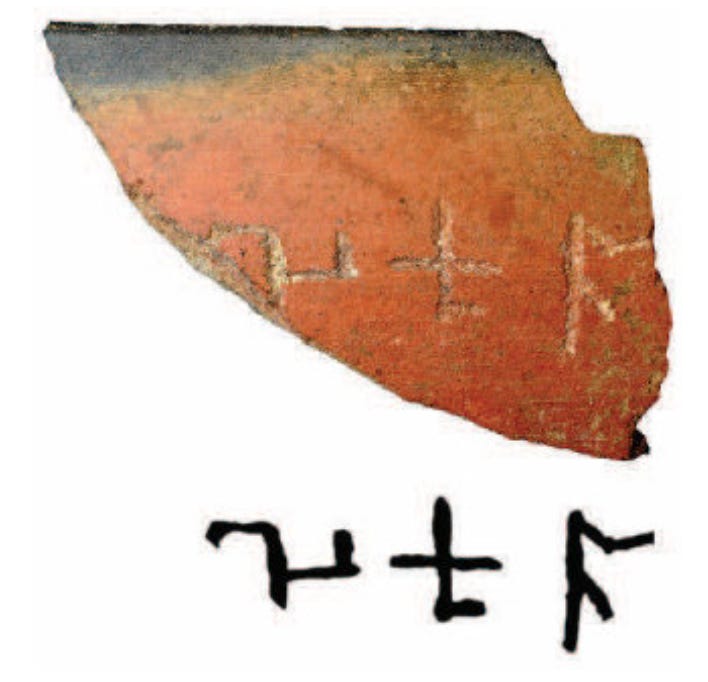
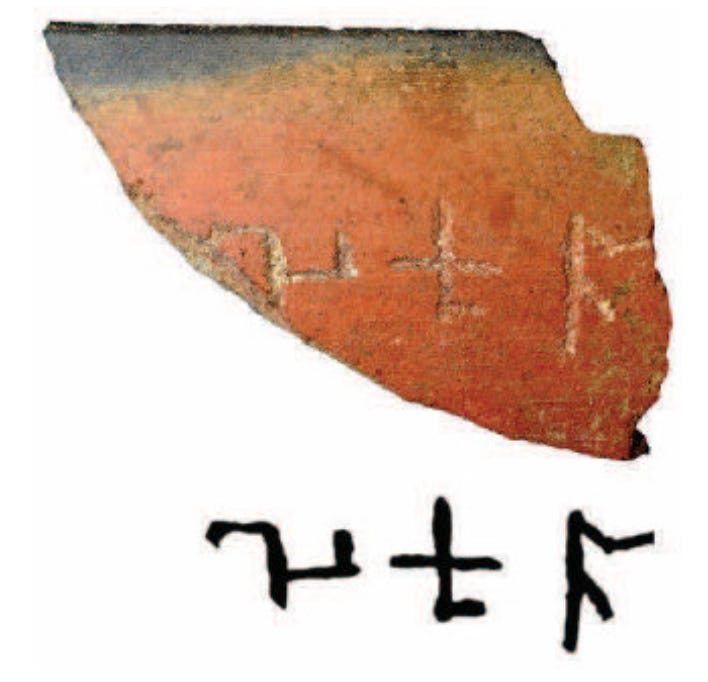
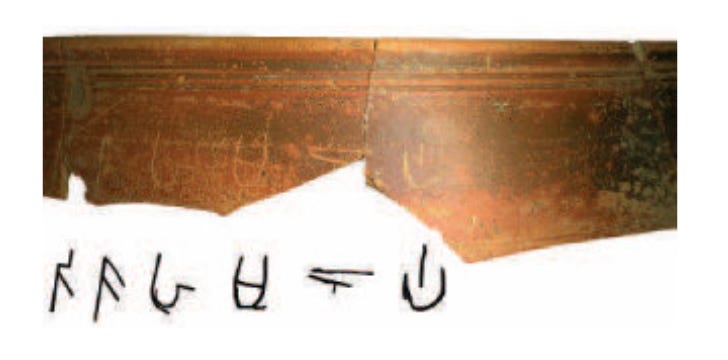
The 2nd inscription reads 𑀩𑀺𑀓𑀼𑀰𑀸 बिकुश. This was officially read as भिक्कुस्स (of the Bhikku/Bhikshu). This shows two more features:
iii. doubled consonants are written as single.
iv. ś/s interchangeability (very common)
(also another example of aspirated /bh/ written as unaspirated /b/)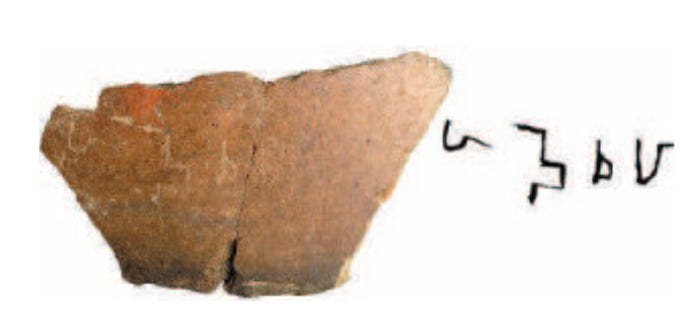
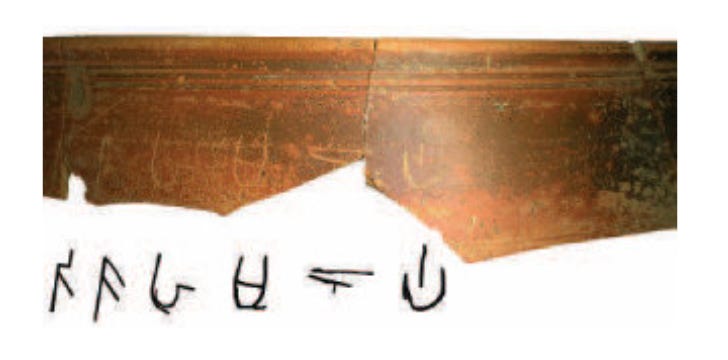
3rd reads 𑀳𑀤𑁂𑀯𑀳 हदोवह . The official reading ignores the first /h/, but this can be read as सदेवस्स sadevassa (of Sadeva). This demonstrates another feature:
v. s/h interchangeability
4th reads 𑀢𑀺𑀰 तिश tiśa for 𑀢𑀺𑀱 तिष tiṣa demonstrating another feature:
vi. ś/ṣ interchangeability and thus ś ṣ s h interchangeability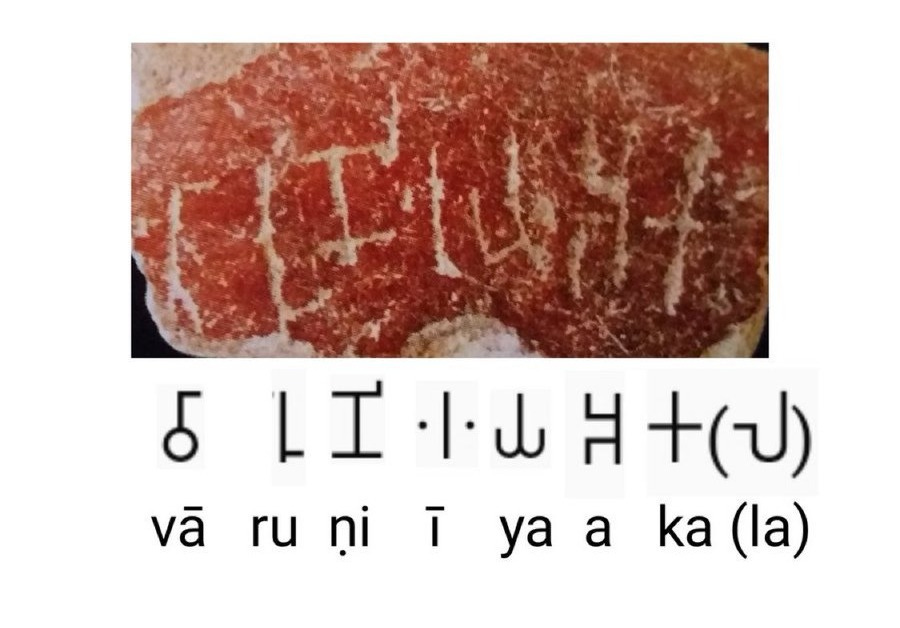
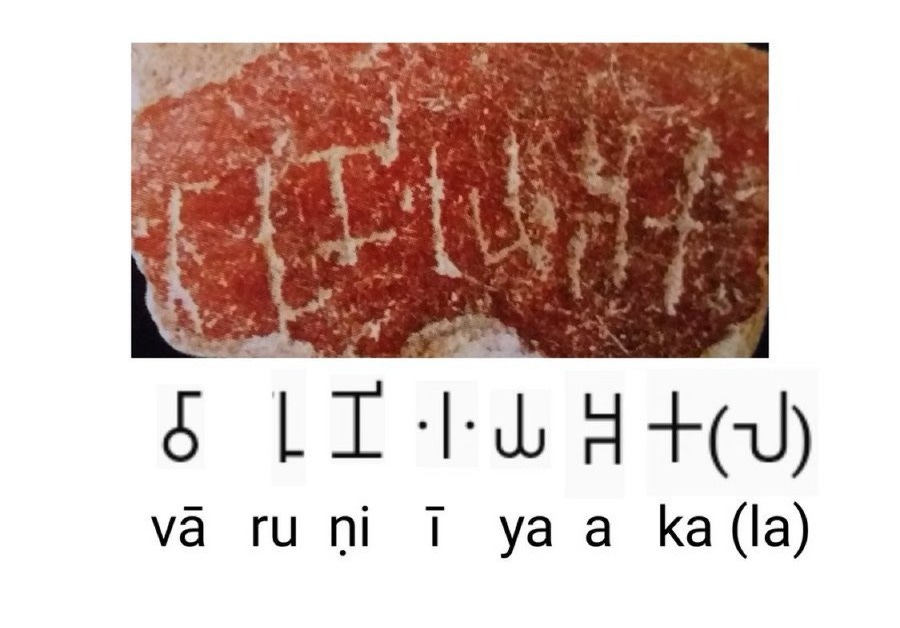
This one from Kodandal TN reads 𑀯𑀸𑀭𑀼𑀡𑀺 𑀈 𑀬 𑀅 𑀓(𑀮) vāruṇīyāka(la), shows
vii. vowel overriding (bolded, ie alphabetical property of vowels)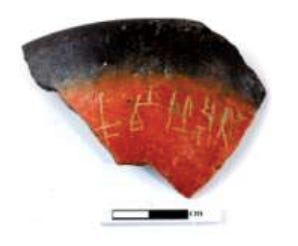
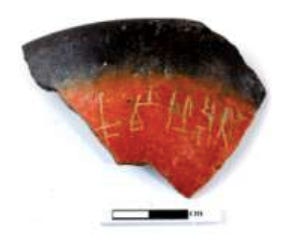
This inscription from Keeladi, TN reads 𑀓𑀼𑀯𑀺𑀭𑀦 𑀅𑀢𑀦 . The leading 𑀅 /a/ here represents /ā/ for ātan (from Prakrit ātta < Sanskrit ātman)
viii. Leading short vowel can be read as long.
The fidelity of the Indus script, therefore is very close to the fidelity of Brahmi. The IVC -an and -as glyphs are not available in Brahmi is the only difference.“How can Brahmi be from IVS if Brahmi is left-to-right and IVS is right-to-left?”
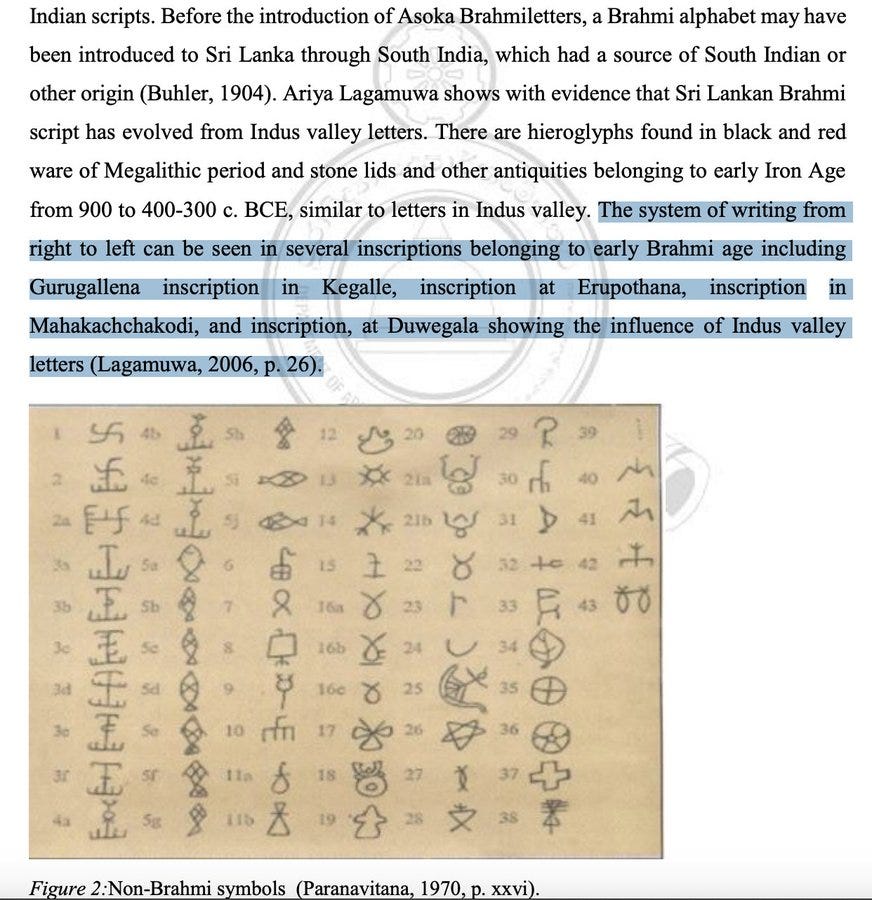
Early Brahmi was written right-to-left and Ariya Lagamuwa showed that “Brahmi was evolved from the Indus script”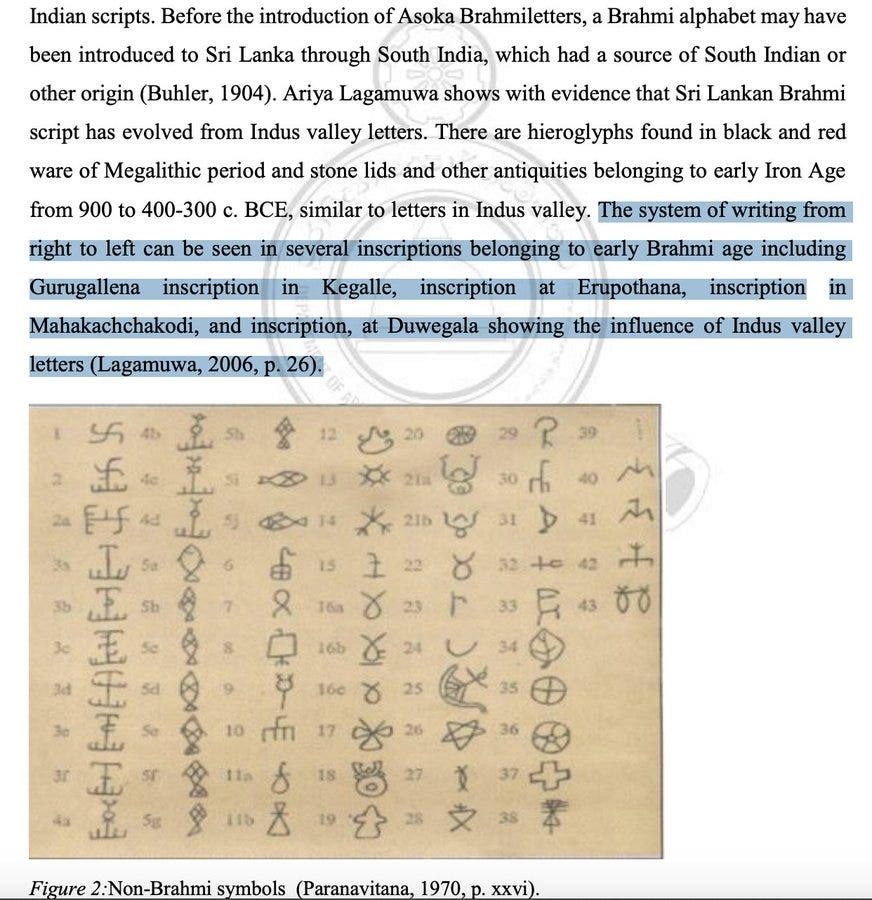
“What about the 1000 year gap between the Brahmi and Indus scripts”
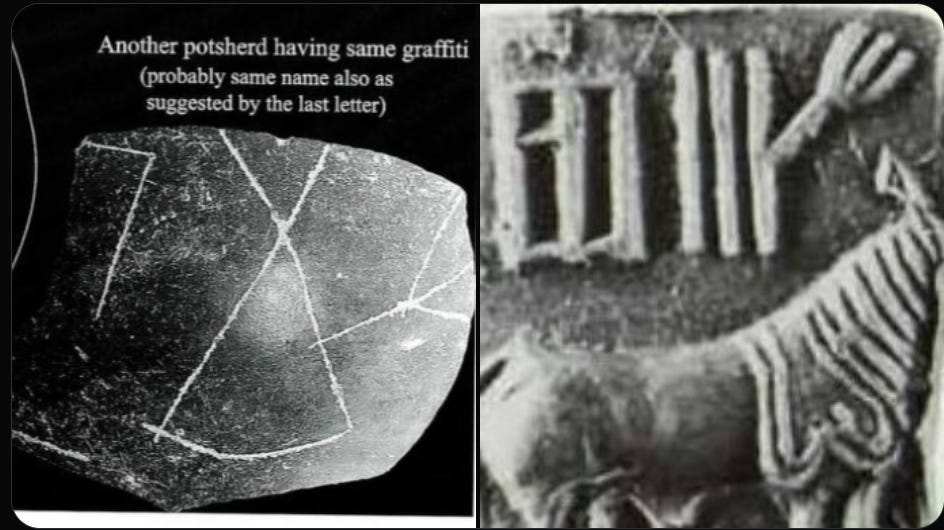
Like many arguments from absence, such statements are made despite well known Indus inscriptions from near the common era and Brahmi glyphs from 1800 BCE mean that there is actually a 2000 year overlap, not a 1000 year gap. Mixed Indus/Brahmi inscriptions and Indus glyphs appearing in Brahmi inscriptions in many places suggest a gradual standardization over time.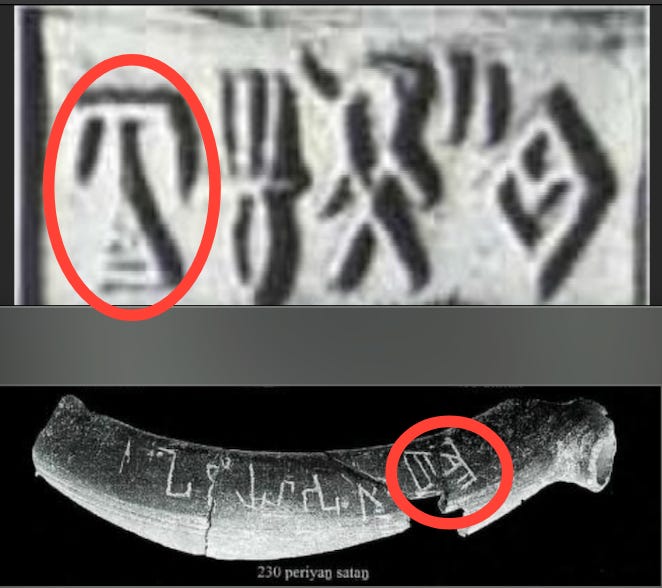
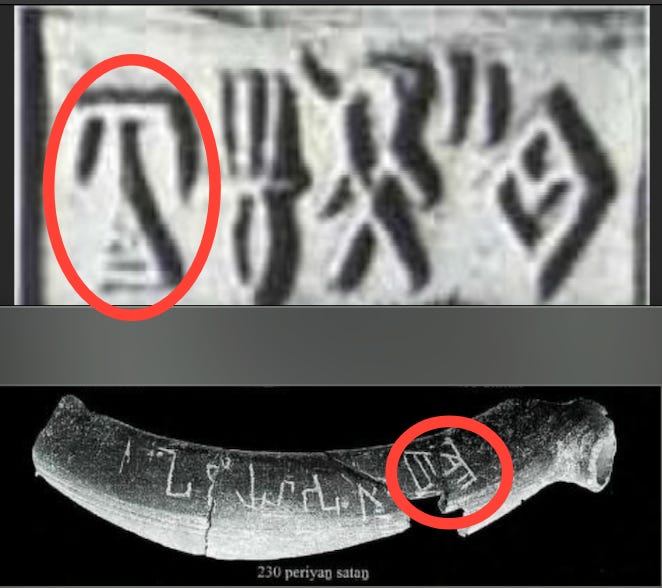
In addition, IVC style conjuncts also appear on Brahmi inscriptions.
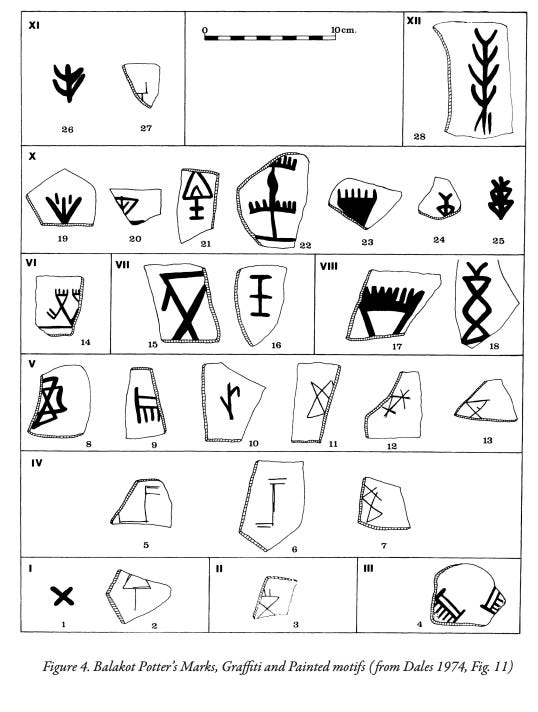
In summary, orthographic concerns are a result of familiarity bias and presentism. Scripts even a few centuries ago had lower fidelity and were perfectly viable.